Functional Mushrooms vs. Caffeine: Why High Performers Are Making the Switch
Coffee gives you borrowed energy with a high interest rate. Functional mushrooms optimize your cellular engine to produce its own. Here is the science behind why high performers are swapping stimulants for adaptogens.

The Caffeine Problem: Borrowed Energy and the Afternoon Crash
Caffeine is the world's most popular psychoactive substance for a reason: it works immediately. However, it doesn't actually give you energy. Caffeine works by blocking adenosine receptors in your brain. Adenosine is the molecule that builds up throughout the day to make you feel sleepy. By blocking it, caffeine tricks your brain into feeling alert.
The problem? Your body continues to produce adenosine while the caffeine is blocking the receptors. When the caffeine wears off, all that accumulated adenosine floods your receptors at once, causing the dreaded afternoon crash. This creates a dependency cycle where you need more caffeine just to return to baseline.
Enter Functional Mushrooms: Cellular Energy and Neuroplasticity
Unlike caffeine, functional mushrooms like Cordyceps and Lion's Mane don't trick your brain or spike your central nervous system. Instead, they work at the cellular level to optimize your body's natural energy production and cognitive function.
Cordyceps for Cellular Energy: Cordyceps actively supports the production of ATP (adenosine triphosphate) in your mitochondria. ATP is the literal energy currency of your cells. Instead of masking fatigue, Cordyceps helps your body produce more genuine, sustainable energy. This leads to increased endurance and vitality without jitters or a crash.
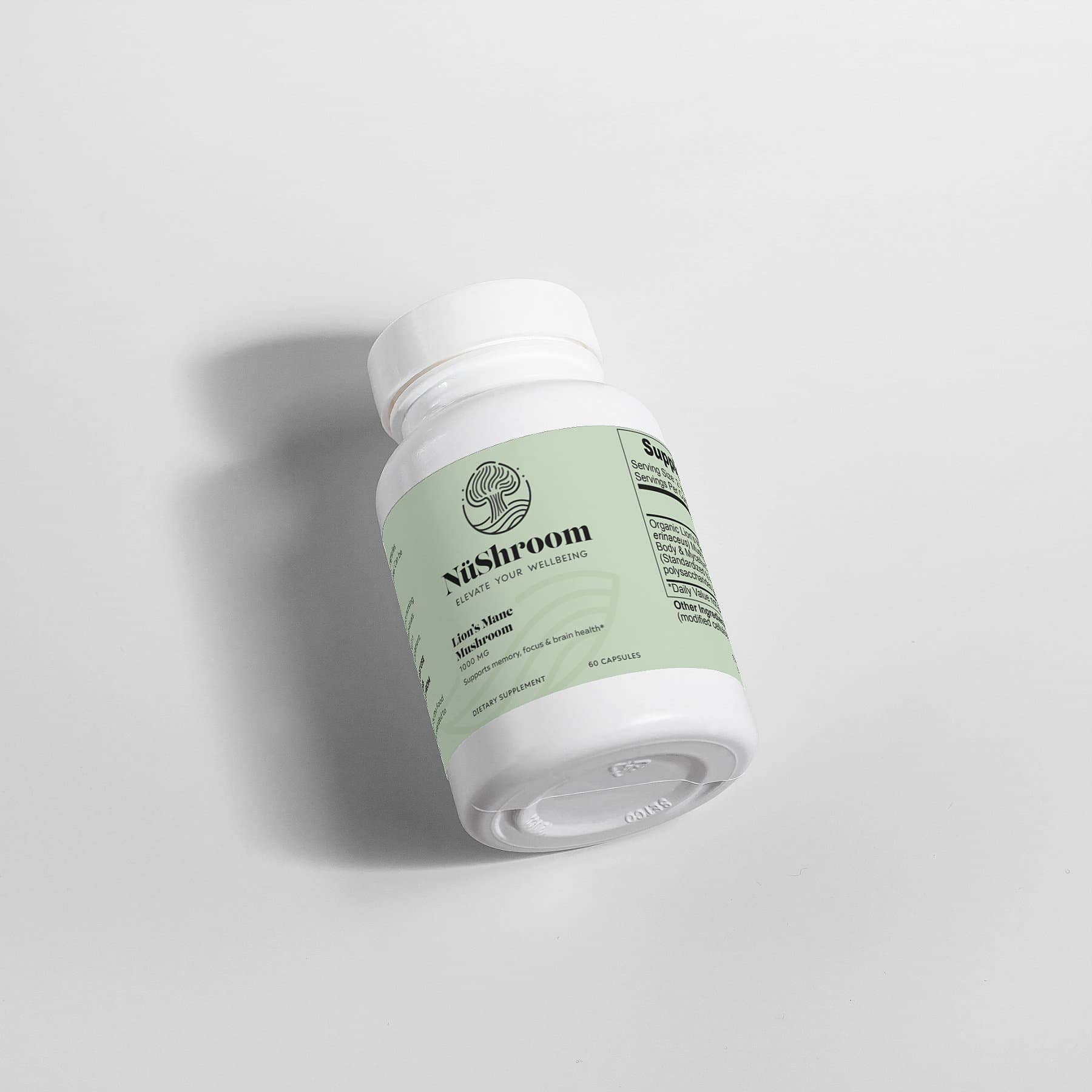
Lion's Mane for Cognitive Output: While caffeine gives you a jittery buzz, Lion's Mane stimulates Nerve Growth Factor (NGF). NGF is critical for neuroplasticity—your brain's ability to form new connections, focus deeply, and retain information. Lion's Mane provides smooth, decisive focus that lasts for hours.
The Perfect Stack: Synergy, Not Replacement
You don't have to quit coffee entirely to benefit from functional mushrooms. In fact, many high performers use them synergistically.
Taking Lion's Mane alongside your morning coffee can actually smooth out the caffeine curve. The neuro-supportive compounds in Lion's Mane help mitigate the anxious jitters often associated with high caffeine intake, while extending the window of focused clarity.
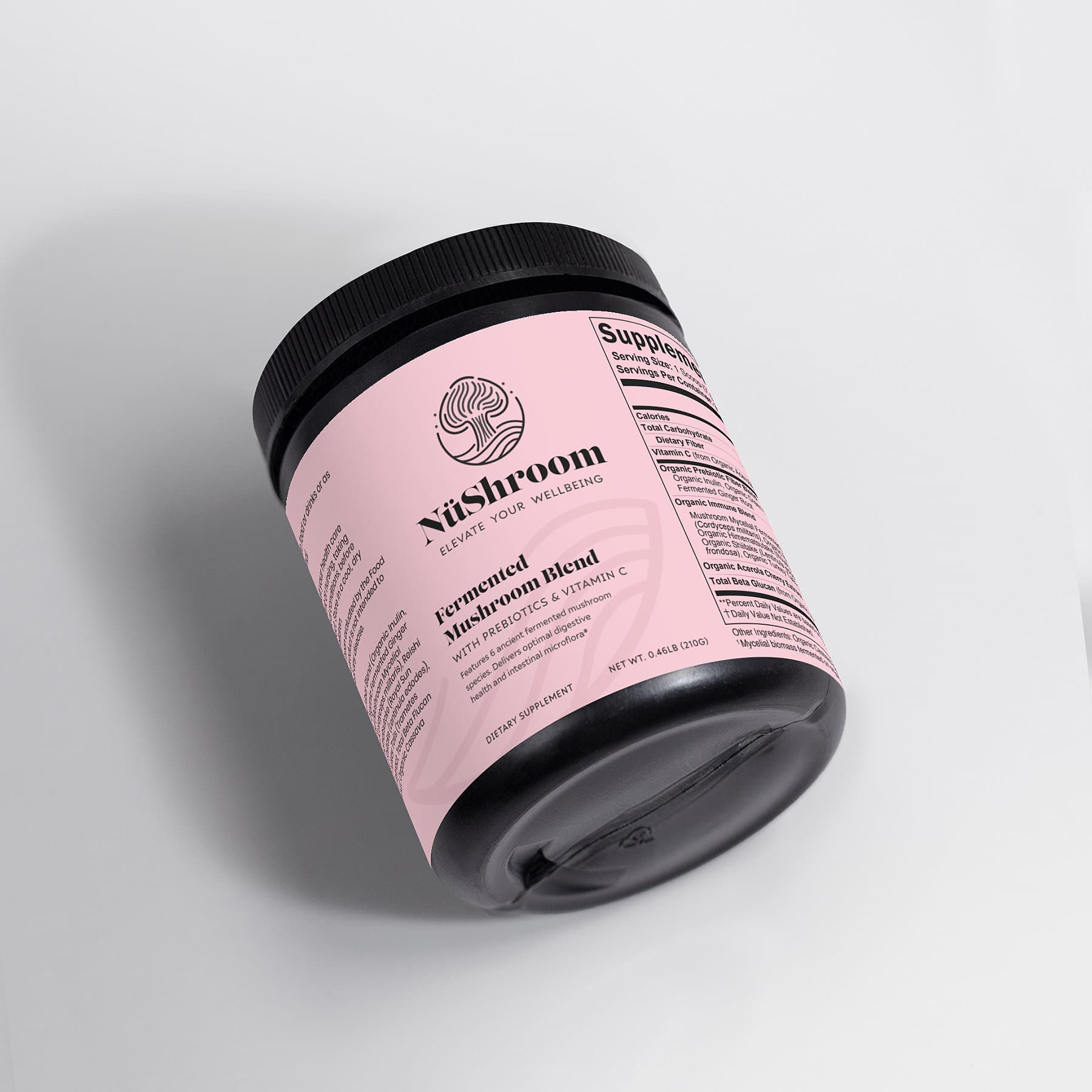
However, by replacing your second or third cup of coffee with a functional mushroom supplement—like a Cordyceps-heavy gummy or a Fermented Superblend powder—you avoid the late-afternoon adenosine flood and protect your sleep architecture.
Making the Switch: What to Expect
If you're transitioning from high daily caffeine intake to a functional mushroom routine, set realistic expectations. Mushrooms aren't stimulants. You won't feel a sudden, aggressive spike in heart rate.
Instead, over the first 7-14 days, you'll notice the *absence* of negatives: the absence of brain fog, the absence of the 3 PM crash, and the absence of anxiety. You'll experience a clean, sustained baseline of mental clarity and physical energy that simply feels like a 'really good day,' every day.
Frequently Asked Questions
Can I take mushroom supplements with my morning coffee?
Absolutely. Functional mushrooms like Lion's Mane actually pair perfectly with coffee, helping to extend the focus window and reduce caffeine-induced jitters.
Will Cordyceps keep me awake at night like caffeine?
No. Because Cordyceps supports cellular ATP production rather than stimulating the central nervous system, it doesn't cause insomnia or disrupt your sleep architecture when taken in the afternoon.